KemeticHlth Research & Insights
Perspectives, ideas and thought leadership. Explore our catalog of insights as we weave through the complexities of community-based healthcare.

Reimagining Medicaid Engagement: Training Members, Strengthening Systems, and Closing Care Gaps
Across the country, state Medicaid agencies and Managed Care Organizations (MCOs) continue to face a familiar challenge—how to effectively reach members who remain disconnected from preventive care, fall through the cracks of complex health systems, and use emergency...

HAVE MEDICAID OR CHIP COVERAGE?
You will need to renew your Medicaid every year through a process called redetermination. Here is what you need to do.

Advancing Equity for Persons with Disabilities and Chronic Care Needs
Care coordination is more than a case manager making a few calls. It’s an infrastructure—anchored in trust—that aligns hospitals, Federally Qualified Health Centers (FQHCs), specialists, home health agencies, behavioral health providers, and community resources around the patient. For individuals with serious disabilities and multiple chronic conditions, care coordination prevents crises by addressing issues upstream: medication adherence, transportation, housing insecurity, food access, and caregiver support.

Healing, Not Hustling: The Case for Coordinated Care for Children and Teens with Complex Trauma and Chronic Needs
Care coordination for children and adolescents is not just about medical appointments. It is about rebuilding continuity and safety in the lives of youth who have rarely known either. Without coordination, these children are trapped in a cycle of institutional care, missed appointments, emergency room visits, and missed developmental milestones. With care coordination, these same youth can experience healing, connection, and the possibility of thriving.

Accelerated Aging in Incarceration: Health Consequences, Cost, and Care Coordination
Accelerated aging in incarceration is a critical issue affecting a growing number of older adults within the criminal justice system. This phenomenon not only has significant health consequences but also imposes substantial short-term and long-term healthcare costs.

If the Mother Dies: Confronting Maternal Mortality in a System That Fails Black Women
In every community, the mother is often the first heartbeat, caregiver, and safe place. She is the builder of resilience, the source of nourishment, not just from her body, but from her soul. And yet for poor, unsheltered, and marginalized Black women, that heartbeat...

The Business Case for Protecting Medicaid Access
Investing in Medicaid not only enhances health outcomes for vulnerable populations but also yields significant government savings. Here are three areas where Medicaid yields financial benefits.

Empowering the Future: Training Youth as Certified Peer-to-Peer Counselors for Juvenile Justice and Rehabilitation
In communities across the country, juvenile justice and rehabilitation programs are facing a critical challenge: how to effectively support young people in their reentry journey and reduce the risks of recidivism, suicidal ideation, violence, and self-harm. Traditional models of support—focused solely on professional intervention—are evolving to include a powerful, emerging strategy: peer-to-peer counseling.
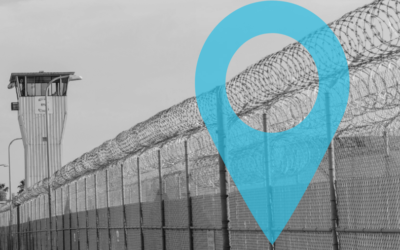
Leading the Way: Medicaid Care Coordination and Population Health Strategy for Incarcerated Youth
The healthcare landscape is ever-evolving, with new policies and regulations continually shaping how care is delivered to vulnerable populations. The Consolidated Appropriations Act of 2023, specifically, Section 5121 (CAA23 -Sec. 5121) introduced new mandates that Medicaid and CHIP agencies provide essential health services to young people who are incarcerated and post-adjudication.

Bridging the Gap: How Care Coordination Addresses Social Isolation and Loneliness Among Medicaid Populations
In the fragmented healthcare web, the intersection of socioeconomic status, mental health, and health outcomes is complex and costly to health systems in general but also to individuals and their families. Medicaid serves as a safety net for individuals and families with limited financial resources, often residing in underserved and underresourced communities with inadequate access to providers, social services, healthcare innovations, and supportive networks. These socioeconomic challenges contribute to elevated stress levels, which can lead to social withdrawal and isolation.
REACHING THE HARD TO REACH
KemeticHlth provides high-intensity, innovatively-driven, and community-based care coordination and management services for managed care organizations and health systems for at-risk client-members.
INTENSIVE OUTREACH + LOCATION
CARE COORDINATION

SCREENINGS + ASSESSMENTS (HRS, HRA, SDoH)
RESOURCE LINKAGES
TRANSITIONS TO CARE
Make Movements In Building Equitable Health
Engage KemeticHlth and begin establishing relational pathways to at-risk and hard-to-reach members.